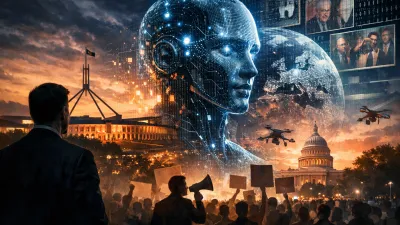
Challenges and Prospects for US-China Cooperation on AI Control
Examining the complex hurdles and potential for US-China collaboration to regulate AI amid technical, political, and verification challenges.
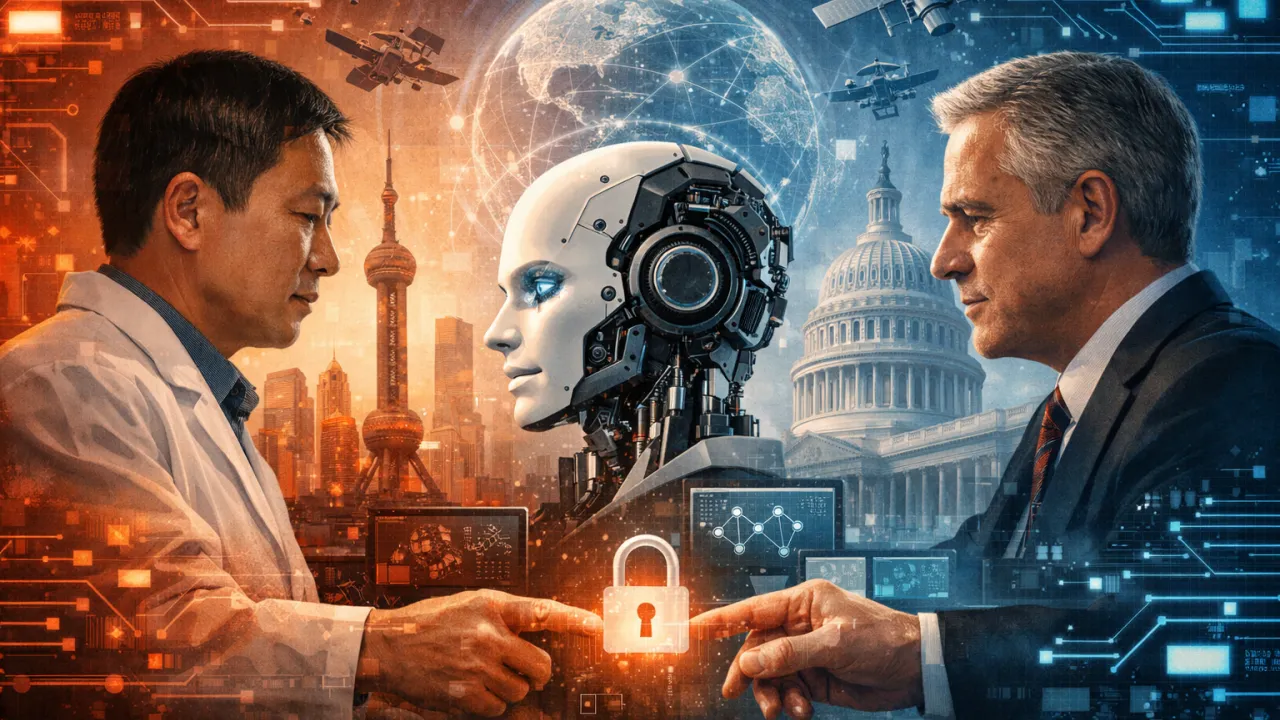
AI Governance and International Relations
Part 1 of 1
Article Outline
The rapid advancement of artificial intelligence (AI) presents significant opportunities and risks, particularly in military applications. The United States and China, as leading AI powers, face critical challenges in cooperating to control this transformative technology.
Unlike nuclear weapons—where arms control was feasible due to mature technology, clear physical parameters, and satellite-based verification—AI is evolving, multifaceted, and widely integrated into civilian and economic sectors. In the US, AI development is largely private-sector driven, complicating government regulation; China exercises stronger government oversight but still faces difficulties.
Verification of compliance poses a major obstacle, as AI capabilities and deployments are less transparent and harder to monitor than nuclear arsenals. Establishing trust and credible verification regimes is thus challenging amid geopolitical rivalry.
Further complicating matters, AI technology proliferates readily through open-source models and commercial availability, undermining efforts analogous to nuclear nonproliferation treaties.
While AI may not pose an existential military threat comparable to nuclear weapons, concerns remain about autonomous weapons and strategic stability. Both nations have strong incentives to prevent catastrophic outcomes and may pursue unilateral or limited cooperative measures to mitigate risks.
In sum, although US-China cooperation on AI control faces profound technical, political, and strategic hurdles, their shared interest in avoiding destabilizing consequences suggests that dialogue and partial agreements, though limited in scope and effectiveness, remain possible.